
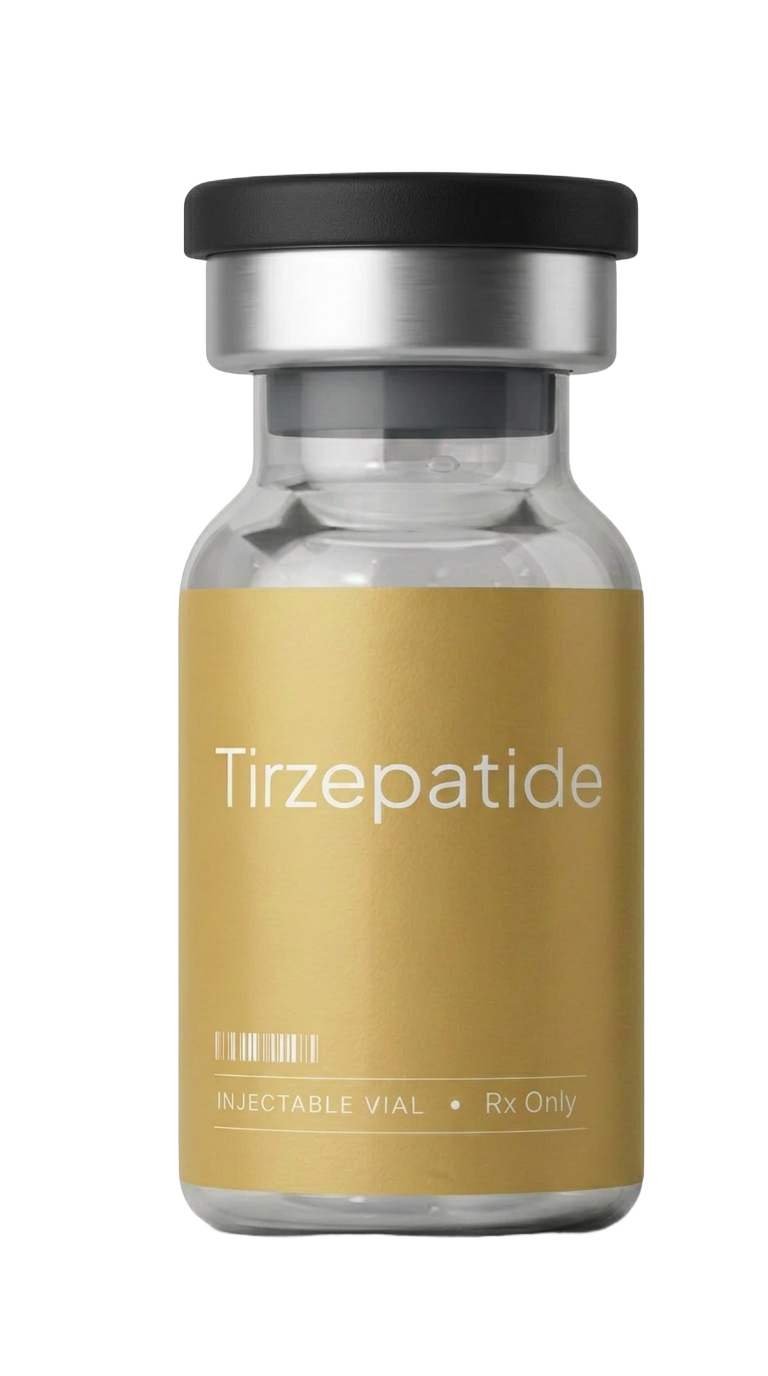
 weight-lossRx · single
weight-loss
Compounded Tirzepatide
Doctor-guided weight loss.
Price
$239
per month
$239.00 billed monthly
Intake first · physician-reviewed · ship in 24–48h
About
Tirzepatide.
Tirzepatide is a dual agonist. It activates both the GLP-1 and GIP receptors, where most weight-management medications act on GLP-1 alone. That second pathway is the reason clinicians treat it as a distinct tool rather than an alternative version of the same drug.
Goprolean prescribes compounded tirzepatide online. A licensed provider in your state reviews your intake, and if it's appropriate your prescription ships to your door. One price a month, whatever dose you end up on.
What your dose will look like
Tirzepatide is titrated, not started at full strength. The standard schedule moves in 2.5 mg steps, no more often than every four weeks:
Weeks 1–4 — 2.5 mg once weekly. This is a starting dose, not a treatment dose; its job is tolerance.
Weeks 5–8 — 5 mg once weekly, the first dose intended to do clinical work.
Beyond — increases of 2.5 mg at four-week intervals as needed, to a maximum of 15 mg weekly.
Most people do not need the top of that range. Your provider adjusts based on how you respond and what you tolerate, and there is no clinical requirement to keep climbing. Your price does not change when your dose does — a 2.5 mg month and a 15 mg month cost the same.
Microdosing
Microdosing means staying below the standard titration schedule — holding at 2.5 mg, or using fractional doses, rather than escalating on the four-week clock.
People ask for it for two reasons. The first is tolerance: the gastrointestinal effects are dose-related, and some people function better at a lower steady dose than at a higher one they're fighting. The second is cost, on plans that price by the milligram.
Microdosing sits outside the approved schedule — the case for it comes from clinical practice rather than from the labeling. And on a flat-rate plan it saves you nothing, since a lower dose costs the same as a higher one. That leaves tolerance as the reason to consider it, which is the only good reason to begin with. Your provider will tell you whether it fits your case.
Side effects
The common ones are gastrointestinal and usually dose-related: nausea, diarrhea, vomiting, constipation, abdominal pain, reduced appetite. They tend to be worst in the days after a dose increase and settle as you adjust. Injection-site reactions are common and minor.
Less common but serious: pancreatitis, gallbladder disease, and low blood sugar when combined with insulin or a sulfonylurea. Tirzepatide is contraindicated if you or a family member has had medullary thyroid carcinoma or multiple endocrine neoplasia type 2.
Tell your provider what else you take. Some medications need timing changes, and oral contraceptives can be affected around dose increases.
What it costs
$149 a month on the 12-month plan. That covers the medication, the provider consultation and the lab review — not a membership fee with the medication billed separately.
No insurance, no prior authorization, no price change when your dose changes.
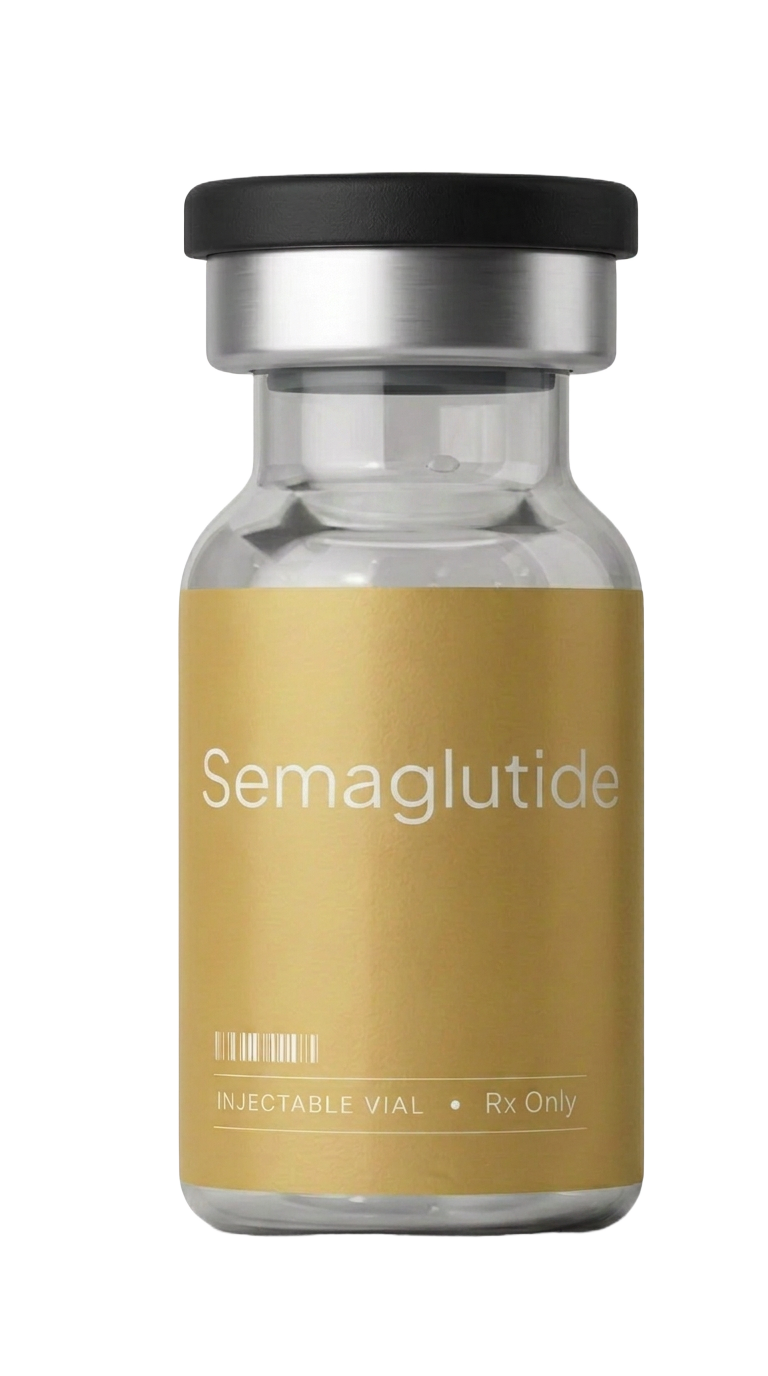
Tirzepatide or semaglutide
Different mechanisms, different tolerance profiles, and the right answer depends on your history rather than on which one is newer. Read the full comparison.
How it works
Choose your plan and check out.
You'll get a login for the member portal, where you complete your medical intake.
A provider licensed in your state reviews it.
If it's appropriate, your prescription is filled by a licensed 503A compounding pharmacy and shipped to you.
Your provider follows your response and adjusts the dose.

Dual-action results, simplified.
- Dual GLP-1 and GIP mechanism
- Ongoing provider care included
- Syringes and alcohol pads kit
- Flat price as dose titrates
Be informed
Possible side effects.
Every prescription has trade-offs. Your physician reviews these with you before approving treatment.
Your questions, answered
Frequently asked questions
Yes. Your lab work and your provider consultations are part of the monthly price. No separate membership fee, no per-visit charge.
No. $149 a month on the 12-month plan, from 2.5 mg to 15 mg.
If it's been four days or fewer since your scheduled dose, take it and continue on your usual day. If it's been longer, skip it and take the next one on schedule. Don't double up.
Yes, and many people do. You'd start tirzepatide at 2.5 mg regardless of the dose you were on, because the two medications aren't equivalent milligram for milligram. Your provider will handle the transition.
They'll explain why and discuss what else might suit you. Support will help with next steps.
Compounded tirzepatide is prepared by a licensed 503A compounding pharmacy. Compounded medications are not FDA-approved and have not been evaluated by the FDA for safety, effectiveness or quality. Prescriptions are issued only after provider review and only where clinically appropriate.